Cleopatra Jones (1973) | Series 2: Blaxploitation and the Cities That Make Us

“My jurisdiction extends from Ankara, Turkey to Watts, baby!”

About the Series: Blaxploitation and the Cities That Make Us is a 6-week analytical series exploring the relationship between Blaxploitation protagonists and the communities that shape them. Whether Los Angeles, Harlem, Oakland, or Detroit, these cities are living organisms that influence each protagonist’s identity. Through historical, cultural, and film analyses, this series examines how each project reflects the neighborhoods, struggles, and communities that gave rise to some of Black cinema’s most adored heroes.

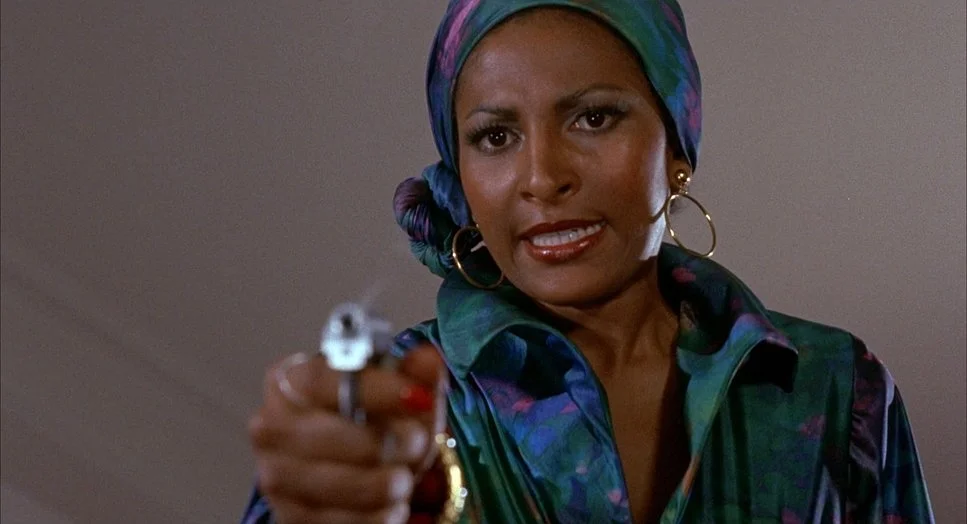
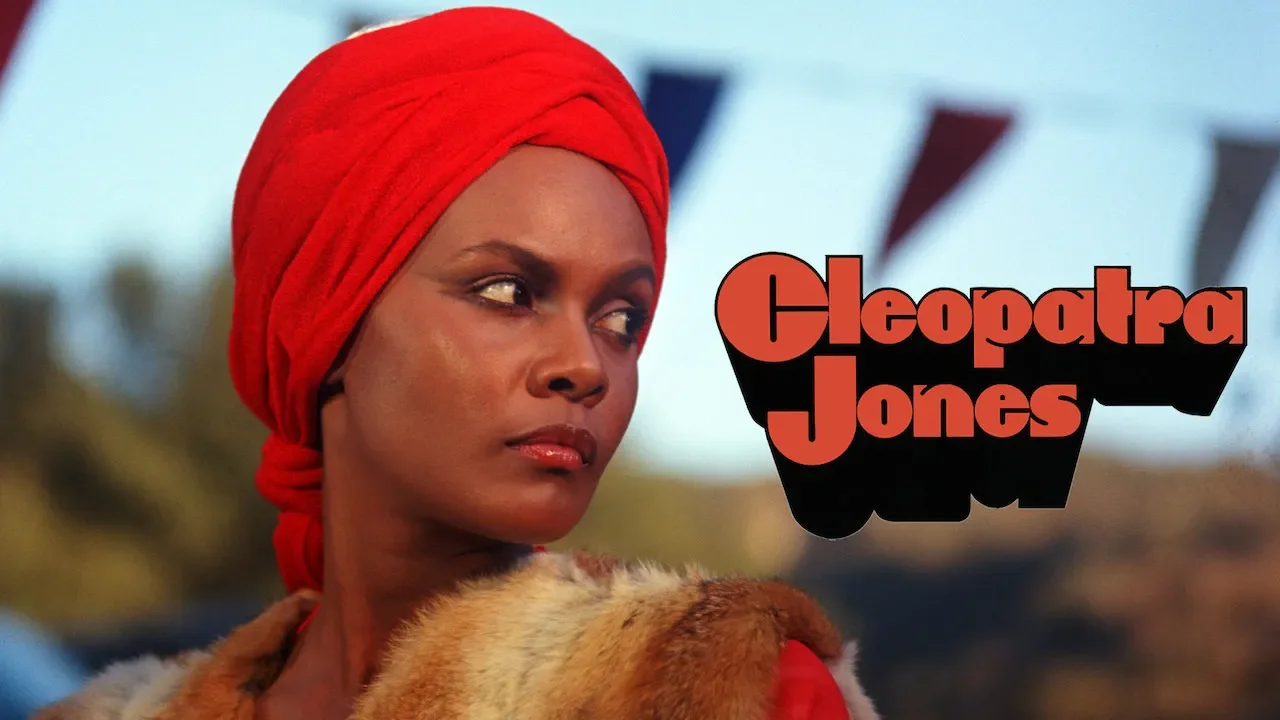
Cleopatra Jones is a fast-paced, cracking, martial-arts ball of motion. Starring Tamara Dobson as the titular character, she establishes authority and makes it clear: this is Cleo’s world; we are just living in it. In this Los Angeles-produced Blaxploitation classic, the film highlights community, city culture, and what that means for Black women making a name for themselves in the City of Angels. Cleo’s greatest strength is not her martial arts ability or unwavering allegiance to cool, but rather her reliance on the community of Watts, California, and her rejection of the myth of the lone hero.

Better Late Than Companion (2025)

Over a year later, Drew Hancock’s sci-fi thriller still has plenty to say, even if it whispers

Yes, I know I am comically late with this review; however, at this point, my goal is to write one-shot reviews without extended plot summary. So, sit back, relax, and get into this 500-word review of Companion (2025).

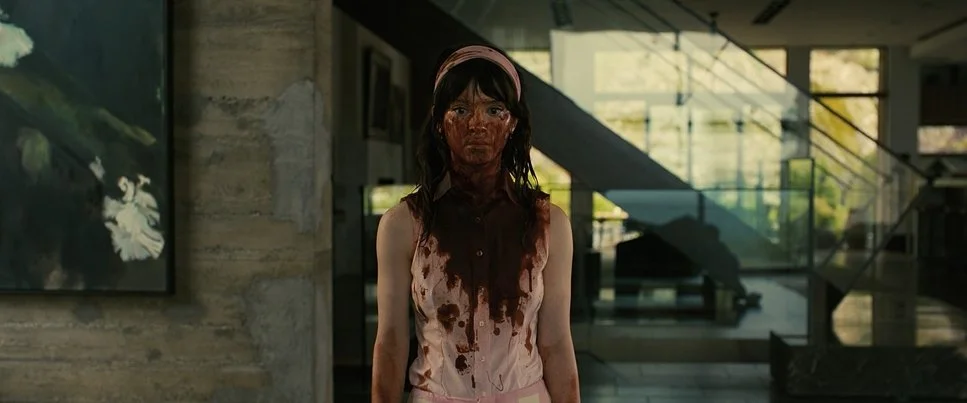
Sophie Thatcher as Iris

Exploring themes of autonomy, misogyny, and the ethics of technological control, Companion (2025), directed by Drew Hancock, is a punchy, genre-blending science fiction thriller that never fully lives up to its potential. Though its ideas surrounding bodily autonomy and identity are compelling, I found myself more interested in what the film wanted to say than in how it chose to say it. Companion rarely trusts its audience, spoon-feeding its themes and leaving little to contend with once the credits roll.

Women on the Verge of a Nervous Breakdown (1988) | Series 1: Women on the Verge (Of a Nervous Breakdown)

About the Series: In this 6-week series, I will review and analyze films specially curated for the theme “Women on the Verge (Of a Nervous Breakdown).” Enjoy analyses and thoughts on our cinematic favorites, underrated gems, and discover what makes the featured women protagonists “On the Verge.”

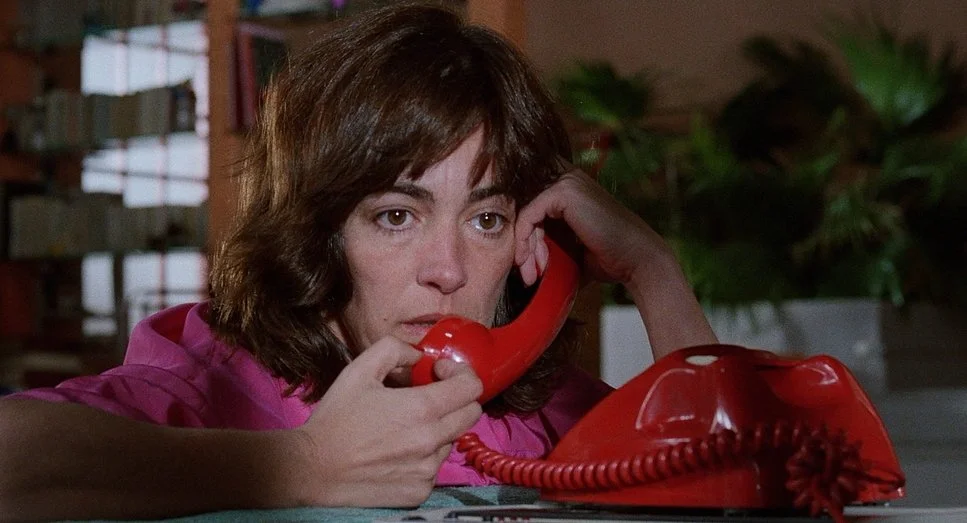
Carmen Maura as Pepa

The time has come to wrap this series. What better way than the namesake? Directed by the iconic Pedro Almodóvar, Mujeres al borde de un ataque de nervios, or Women on the Verge of a Nervous Breakdown, is a timeless dramedy about desperation, guilt, shame, lost love, and a dash of paranoia, all blended into a tomato-flavored gazpacho soup. Almodóvar creates a peculiar world where audiences laugh, smile, frown, and have no moment to pause before the next character enters with a crisis or a wrench to throw. Using its campy exteriors to its advantage, it maintains its seriousness, knowing that, while silly, these behaviors are rooted in truth. Guided by the incomparable Carmen Maura as Pepa, the film shows how women are pushed to the edge of psychological collapse not because they are inherently unstable, but because they are expected to quietly absorb betrayal, abandonment, fear, and impossible emotional burdens.

Valley of the Dolls (1967) | Series 1: Women on the Verge (Of a Nervous Breakdown)

The "Dolls" Are Not Alright

About the Series: In this 7-week series, I will review and analyze films specially curated for the theme “Women on the Verge (Of a Nervous Breakdown).” Enjoy analyses and thoughts on our cinematic favorites, underrated gems, and discover what makes the featured women protagonists, “On the Verge.”

Love it or hate it, Valley of the Dolls became a salacious and sensational pop culture phenomenon in 1967. Adapted from the 1966 novel of the same name written by Jacqueline Susann, and directed by Mark Robson, this film remains controversial and bleak. A peek into the life and customs of the late-60s American woman, the three protagonists face the uncertainty and destruction that their irregular personal lives bring.

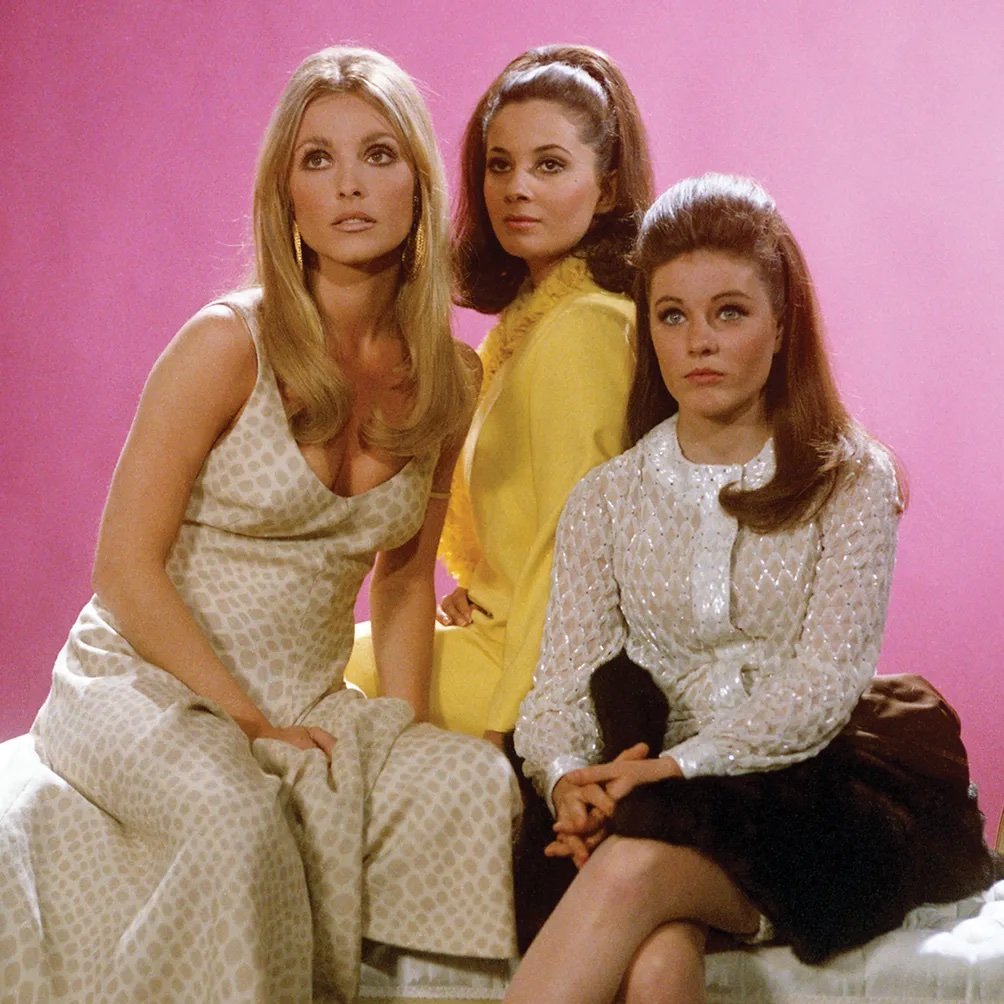
Anchored by Anne Welles (Barbara Parkins), the film follows the doe-eyed and innocent brunette as she leaves her sleepy New England town to follow dreams that can only be made in New York City. She quickly lands a job as a secretary for a high-powered Broadway agent and eventually rises to stardom as a successful model. On her rise to fame, she befriends Neely O’Hara (Patty Duke) and Jennifer North (Sharon Tate). Facing a series of romantic, professional, and personal challenges, all three women are pushed to the brink of insanity, relying on “dolls” or prescription pills to ease their pain. The film leaves audiences without a happy ending, with Jen, whose character was inspired by Marilyn Monroe, succumbing to death, Neely, an obvious stand-in for Judy Garland, facing full-blown addiction, and Anne, based on the novelist Jacqueline Susann herself, returning home to New England, leaving all her trauma behind in New York City.

Ganja & Hess (1973) | Series 1: Women on the Verge (Of a Nervous Breakdown)

Black Feminine Agency, Vampirism, and Self-Determination in Ganja & Hess

About the Series: In this 7-week series, I will review and analyze films specially curated for the theme “Women on the Verge (Of a Nervous Breakdown).” Enjoy analyses and thoughts on our cinematic favorites, underrated gems, and discover what makes the featured women protagonists, “On the Verge.”

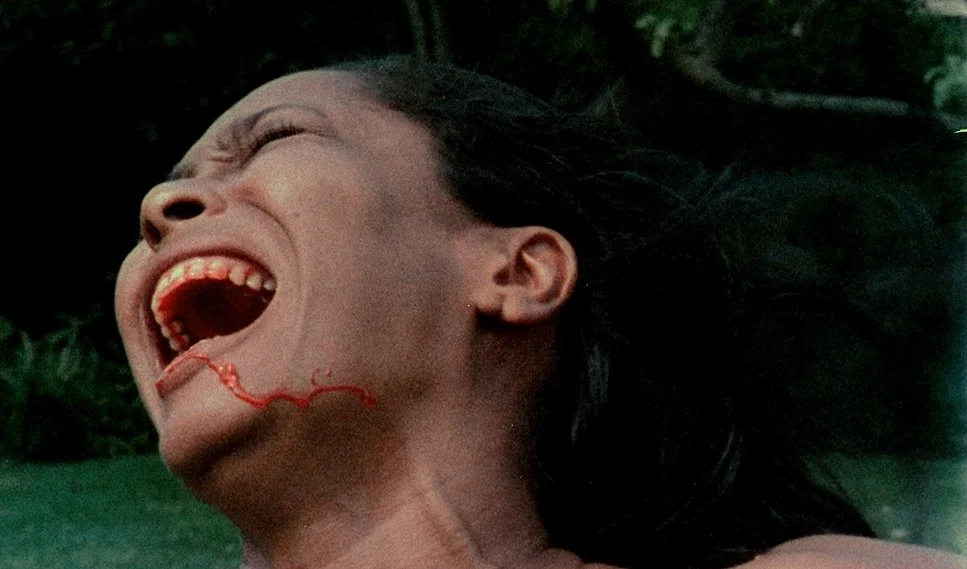
In this haunting arthouse horror film written and directed by Bill Gunn, Ganja & Hess stands as a crucial sociological marker for the study of African American thought and life during the cutting edge of the Blaxploitation era. Starring Marlene Clark as Ganja Meda, Duanje Jones as Dr. Hess Green, and Bill Gunn as George Meda, the film explores religion, sensuality, and identity. Ganja, one of our titular characters, is often described in analyses of this film as a beautiful Black woman whose portrayal was uncommon for women during this time. Marlene Clark’s role as Ganja is iconic, unique, and progressive.

Jennifer's Body (2009) | Series 1: Women on the Verge (Of a Nervous Breakdown)

Hell is a teenage girl in pink fishnets.

About the Series: In this 7-week series, I will review and analyze films specially curated for the theme “Women on the Verge (Of a Nervous Breakdown).” Enjoy analyses and thoughts on our cinematic favorites, underrated gems, and discover what makes the featured women protagonists, “On the Verge.”

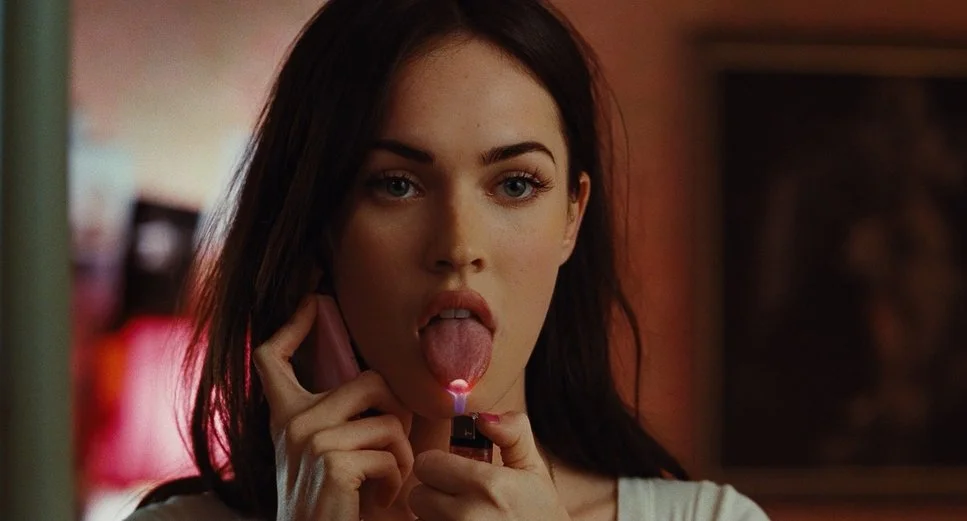
This “Women on the Verge” series was made for a film like the cult classic, Jennifer’s Body. When discussing the idea of “Women on the Verge,” I am discussing how women in cinema are portrayed and memorialized when pushing their emotional, societal, and personal expectations. These women often execute behaviors breaking out of schematic frameworks intended to keep them as traditional, ladylike, or respectable women. They expose and shock audiences into perceiving women and girls as they choose to be seen. These heroines oftentimes do not quietly break out of a selected framework; they destroy it. If the “Verge” is seen as the intention, the “Nervous Breakdown” is the action.

A Girl Walks Home Alone at Night (2014) | Series 1: Women on the Verge (Of a Nervous Breakdown)

About the Series: In this 7-week series, I will review and analyze films specially curated for the theme “Women on the Verge (Of a Nervous Breakdown).” Enjoy analyses and thoughts on our cinematic favorites, underrated gems, and discover what makes the featured women protagonists, “On the Verge.”

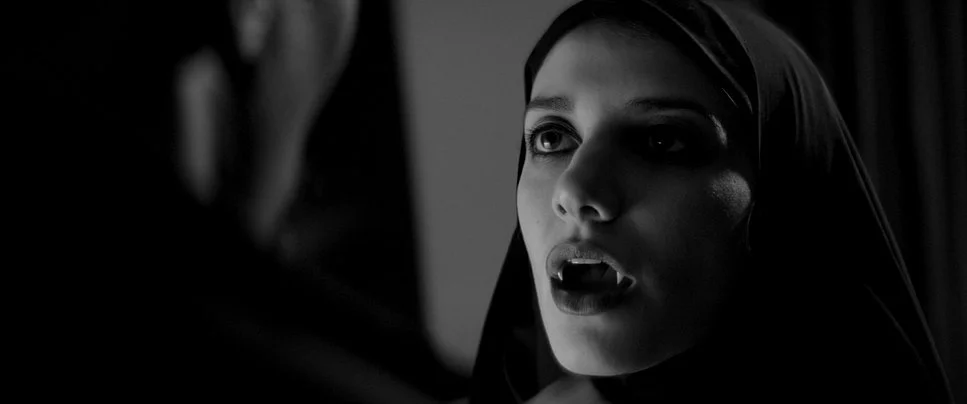
I am on the edge of my seat for A Girl Walks Home Alone at Night (2014) to be the opener for this series. From the mind of Ana Lily Amirpour, this Iranian vampire-horror has been on my watchlist for many years now. Dark, sultry, moody, and calculated, this film gives us, and The Girl, a full meal to chew and ponder on.

The Girl, portrayed by Sheila Vand, is a self-isolating character who spends her time in the eternal vampiric afterlife acting as a self-appointed vigilante to womankind. Very girl boss of her. She sulks and preys upon male characters who are in the midst of nonsensical, generally harmful activity. Pushing them over the edge and into the afterlife, or in the case of The Boy, pushing him into a potential minor heart attack and likely lifelong trauma.